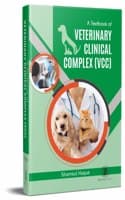
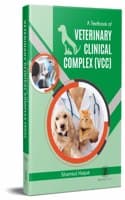
Today's veterinarians are the only doctors educated to protect the health of both animals and people. Veterinarians also play critical roles in environmental protection, research, food safety, and public health. Veterinarians are the first and best line of defense against animal diseases that could threaten public health and our national security.What makes a veterinary practice a success? The Veterinary TEAM is the answer. The contents of the present text book of VCC have been divided into 87 chapters under six sections based on modified syllabus of VCI covering basics of veterinary clinical complex(VCC). The clinical examination is a search for clues in an attempt to solve the mystery of a patient's illness. These clues are found usually in the form of “signs†that are demonstrated to the clinicians through inspection, palpation, percussion, and auscultation. The focal point of any investigation of animal disease is the making of a diagnosis. Features Each chapter opens with a “Day in the Lifeâ€. More attention in this textbook of VCC has been granted to diagnose animal's diseases through advanced diagnostic techniques using modern relevant lab instruments like hematoanalyser, automatic biochemical analyzer, electrolytes analyzer and the correct interpretation of lab results. In this text book it has also been emphasized that how the advanced diagnostic equipments like ECG machine, ultrasonographer will be used and how the findings will be interpreted to diagnose the animal's diseases perfectly. Throughout the text it has been tried that UG students could keep themselves updated with new dimensions of veterinary clinical complex like hemodylysis of kidney failure case in dogs and blood transfusion in animals. The author covered crucial topics such as critical care, Receptors, Antibodies and immunity because in the current scenario every UG student of veterinary clinical subjects try to know on which receptor the particular prescribed drug will be acting a